Guide · Pricing & Planning
Varanasi Ayodhya Tour Package Price:
What You Actually Pay
A transparent look at what shapes the cost of your sacred journey.
Tour package prices for Varanasi and Ayodhya can swing widely — and the reasons are rarely explained in plain words. This guide unpacks what you are actually paying for: the vehicle, the hotel grade, the season, the queue assistance, the small inclusions that quietly add up.
In this guide
- 01What goes into the price
- 02How trip length changes it
- 03Group size and per-person cost
- 04Seasonal pricing
- 05What's quietly excluded
- 06Comparing quotes without getting misled
What Actually Goes Into a Varanasi Ayodhya Package Price
The line items most operators never spell out.
Most tour quotes arrive as a single number with no explanation of what sits behind it. The honest answer is that a Varanasi Ayodhya package price is really four things stacked together: the vehicle, the hotel, the meal plan, and the on-ground assistance that keeps your darshan from turning into a half-day queue. Each of those components has a cost, and operators who skip the breakdown are usually hiding something — a cheaper vehicle, a hotel far from the ghats, or queue assistance that exists only on paper.
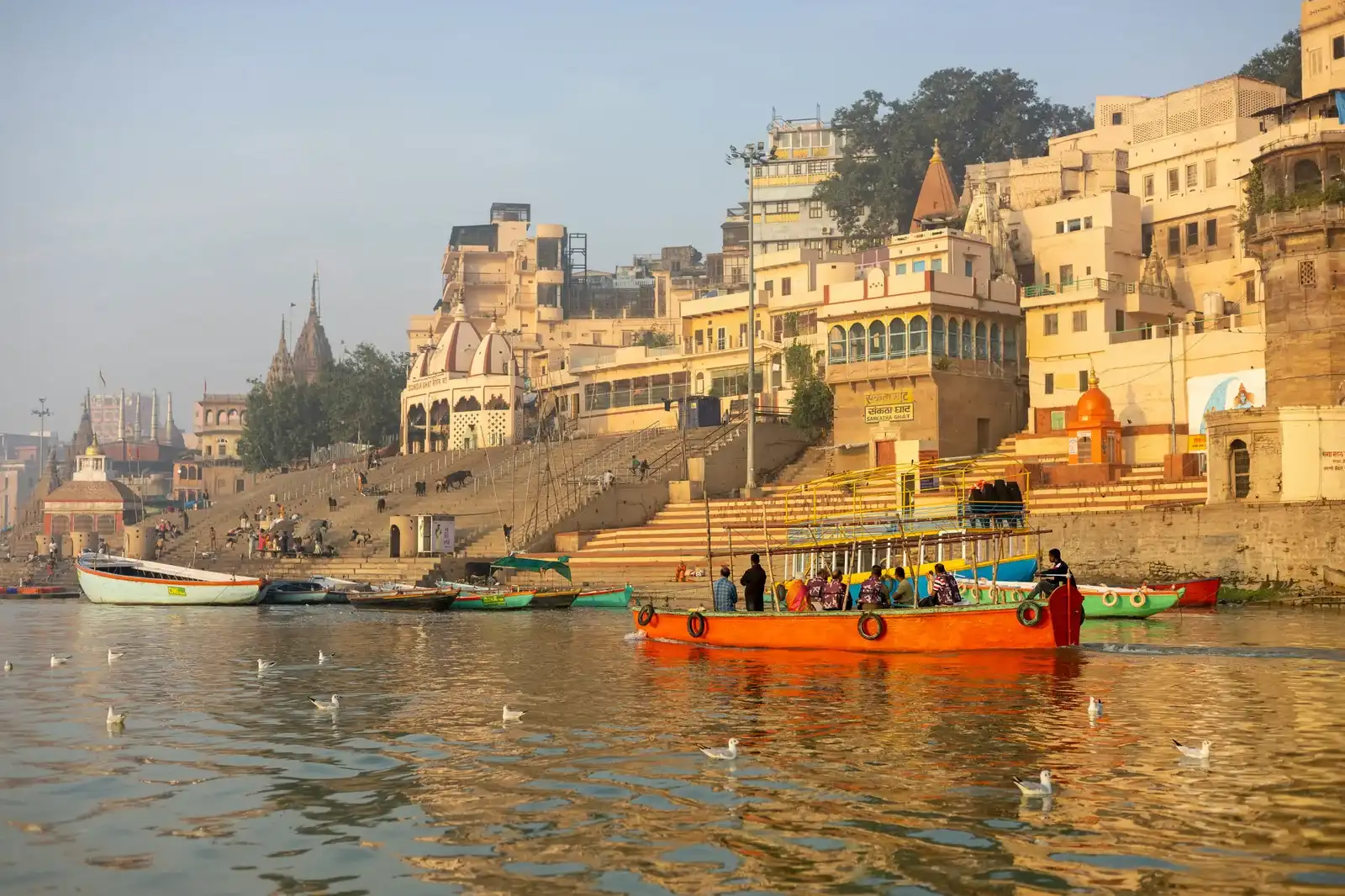
Standard inclusions in a reputable package are a private AC vehicle — Dzire or Etios for couples and small groups, an Innova for larger families — plus 3-star hotel accommodation with daily breakfast as the typical base. That hotel grade matters more than it sounds: properties near Dashashwamedh Ghat put you within walking distance of the Ganga Aarti and the temple corridor, which saves both time and auto fares across multiple days.
VIP queue assistance at Kashi Vishwanath Temple is part of the inclusion list in any package worth booking — not an optional add-on. If a quote doesn't mention it explicitly, ask. Beyond those core items, look at whether all toll taxes, driver allowance, fuel and parking are covered. Those line items are small individually but together represent a meaningful portion of the vehicle cost. If you want to browse our full tour packages and see exactly what each one bundles, the detail is laid out there alongside the itinerary — no guesswork required. You can also review the full kashi vishwanath tour package breakdown to understand precisely what the temple-day logistics look like.
How Trip Length Changes the Price
Two days, three days, or longer — each adds a clear layer.
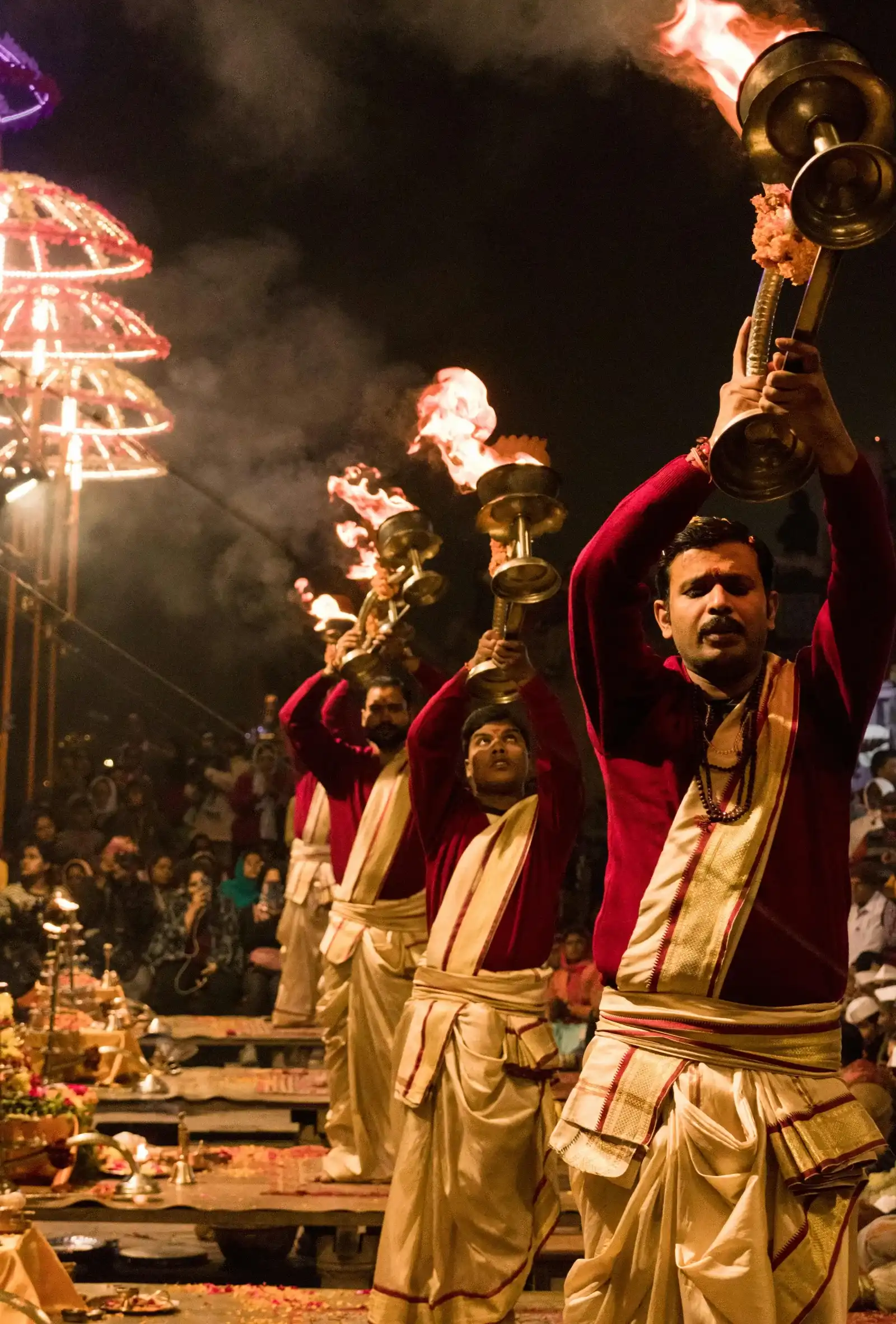
Trip length is the single biggest lever on the final number. A standard Varanasi itinerary covers Kashi Vishwanath darshan, Ganga Aarti at Dashashwamedh Ghat, and Sarnath — and Sarnath visits include Dhamek Stupa, Chaukhandi Stupa, the Ashoka Pillar and the Archaeological Museum. That content fits comfortably into two days, which makes a short Varanasi-only package a natural starting point for many pilgrims.
“Adding Ayodhya changes the mathematics immediately — extra vehicle hours, an additional night, and a full day dedicated to Ram Mandir darshan logistics.”
Adding Ayodhya changes the mathematics immediately. The road between the two cities is substantial, which means extra vehicle hours, an additional night of accommodation, and — critically — a full day dedicated to Ram Mandir darshan logistics. That is the minimum extension for a combined circuit. Push the itinerary further to include Prayagraj or Naimisharanya and you are looking at additional nights and distance, each priced incrementally.
The silver lining is that per-person cost typically drops as the itinerary grows. Fixed costs — the vehicle, the driver, the coordination — get spread across more days and more people. A family booking a three-day Varanasi Ayodhya itinerary will almost always find the per-head cost lower than a couple booking two days. For anyone considering that combined circuit, the 3 days Varanasi Ayodhya tour package page walks through the day-by-day split clearly.
Group Size and Per-Person Cost
Why two pilgrims pay more per head than six.
Vehicle cost is largely fixed regardless of how many people sit inside it. A sedan costs roughly the same whether it carries one passenger or four — so a solo traveller or a couple absorbs that entire cost between themselves. As group size grows, that fixed expense divides, and per-person savings on transport become real and significant. It is one of the clearest arguments for travelling with family rather than booking independently.
Vehicle category scales with group size: sedans for couples and small parties, Innova for larger families. Stepping up to an Innova does cost more in total, but split across five or six people the per-head difference often narrows. Hotel pricing in standard packages is quoted on double-sharing basis, meaning couples and pairs naturally fit the model. Solo travellers should expect a single-supplement charge — an honest operator will state this upfront.
Children who share a bed rather than occupying a separate room can meaningfully reduce the effective per-person price for a family. It is worth discussing the exact headcount and ages when requesting a quote — the difference between a four-person and a five-person declaration can shift the vehicle category and the room configuration at once. For those starting with a short trip, the 2 day Varanasi package is a useful benchmark before deciding whether to extend.
Seasonal Pricing — When Costs Rise and Fall
Shravan, Kumbh, and the quiet months.
Timing your yatra is not just a spiritual choice — it is a financial one. Mondays, weekends and Shravan month (July–August) bring the longest darshan queues — up to 3–5 hours at Kashi Vishwanath without any assistance. Hotels near the ghats respond to that demand with higher rates, and vehicles become harder to secure at short notice. If you travel during these periods without a locked-in package, you are exposed to both inflated prices and logistical chaos.
Kumbh windows and Maha Shivratri operate on a similar logic: demand is exceptional, supply of quality accommodation is finite, and early booking is the only real protection. The good news is that Sugam Darshan at ₹300 reduces wait times to roughly 15–20 minutes even during peak season — but that benefit only materialises if your package has secured it. A vague mention of 'temple assistance' in a quote is not the same as confirmed Sugam Darshan access.
The most balanced windows for both weather and pricing tend to be in the cooler months — the air is clear, the ghats are calm, and hotel rates stabilise. For pilgrims with flexibility, avoiding the peak religious calendar is the single easiest way to reduce total cost. For those committed to a peak-season visit — Kumbh in particular — the kumbh mela tour package page covers what that specific window demands in terms of booking lead times and logistics.
What's Often Excluded — and Quietly Adds to Your Bill
The fine print worth reading before you sign.
No package includes your journey to Varanasi. Flights or trains to and from Varanasi are excluded from standard packages — that cost sits entirely with you and should be budgeted separately before you compare any two quotes on equal footing. The same applies to intercity rail if you are independently connecting Varanasi and Ayodhya without the package vehicle.
Meals are another quiet addition. Lunch and dinner are excluded unless specified — daily breakfast is the norm, not three meals a day. Over three or four days in Varanasi, restaurant spending adds up, particularly around the ghats where tourist-facing prices apply. Factor in at least two meals a day per person when building your real budget.
Special aarti tickets fall outside the package cost entirely. The Mangala Aarti ticket costs ₹500 and must be booked 30 days in advance — that is a personal expense and a personal responsibility. Sugam Darshan costs ₹300 per person on top of any queue assistance your package provides. Museum entry fees at Sarnath, tips for priests, laundry and personal shopping all sit outside the quote. For a full view of what the temple-side ticketing looks like, the kashi vishwanath temple ticket price page breaks it down completely.
How to Compare Quotes Without Getting Misled
A checklist before you confirm a booking.
Two quotes at similar prices can represent completely different value depending on what each actually contains. Start with the hotel: ask for the property name in writing, not just a category label. A '3-star hotel near the ghats' is meaningfully different from a 3-star property a long drive away, and that difference shows up in time lost every morning and evening. If the operator hesitates to name the hotel, treat that as a signal.
Reputable packages include all toll taxes, driver allowance, fuel and parking — these should be stated explicitly, not implied. If a quote is silent on these items, request confirmation that they are covered, otherwise they may surface as cash requests from the driver mid-trip. Similarly, confirm whether airport and railway station transfers are both covered for arrival and departure — some operators include one but not the other.
VIP queue assistance should be confirmed in writing alongside 24/7 WhatsApp support throughout the yatra — both are standard inclusions in quality packages and non-negotiable for a smooth pilgrimage. Ask specifically who handles last-minute changes on the ground: a local number, a named coordinator, and a clear escalation path matter more than a polished brochure. If you want to explore options for Ayodhya, the ayodhya ram mandir page covers what the darshan logistics look like in detail — a useful read before finalising any combined itinerary.
Frequently Asked
Everything you need
to know.
Plan with confidence
See exactly what's included
before you compare a single quote.
Our Varanasi packages are priced transparently — hotel name, vehicle category, inclusions and exclusions in plain language. No surprises on the ground.